Flower Bed Creation in Plumstead: Practical Ideas for Beautiful, Low-Maintenance Outdoor Spaces
Flower bed creation in Plumstead is one of the most effective ways to transform a plain garden into a welcoming, colourful, and well-balanced outdoor space. Whether you have a compact front garden, a family back garden, or a larger landscape that needs structure, a thoughtfully designed flower bed can improve curb appeal, support local biodiversity, and make everyday outdoor living more enjoyable. In Plumstead, where gardens often blend traditional charm with modern living, flower bed creation offers a flexible way to add personality, seasonal colour, and long-term value to your property.
Many homeowners start flower bed creation in Plumstead because they want their gardens to look better with less effort over time. A well-planned bed reduces guesswork, helps plants thrive in the right conditions, and creates a clear visual framework that makes the whole garden feel more polished. With the right mix of soil preparation, plant selection, edging, and maintenance, flower bed creation becomes more than decoration: it becomes a smart investment in your outdoor space.
Plumstead gardens vary widely in size, sunlight, soil quality, and layout, which means there is no single formula that suits every property. The good news is that flower bed creation in Plumstead can be adapted to almost any space. From simple borders filled with perennials to layered beds combining shrubs, bulbs, and ornamental grasses, there are many creative options. Done well, a flower bed can tie together the entire garden design while remaining practical to maintain throughout the year.
Understanding the value of flower bed creation in Plumstead

Flower bed creation in Plumstead does more than add colour. It shapes the way a garden is experienced. A flower bed can soften hard landscaping, define paths, frame a lawn, and create a natural focal point near a patio, fence, or entrance. Many property owners choose flower bed creation in Plumstead because it brings order to a space that may otherwise feel flat or underused. A well-positioned bed can make a small garden appear larger and a large garden feel more intentional.
Another key benefit is the seasonal rhythm that flower bed creation introduces. Instead of a garden looking the same all year, carefully chosen plants provide changing textures, blooms, and foliage. In spring, bulbs can brighten the edges. In summer, perennials can take centre stage. In autumn and winter, evergreen structure and seed heads can keep the bed attractive. This is one reason flower bed creation in Plumstead remains popular among homeowners who want a garden that looks alive across the seasons.
It also supports local wildlife. By selecting nectar-rich flowers, native plants, and a range of bloom times, flower bed creation in Plumstead can attract bees, butterflies, and other pollinators. Birds may also benefit from shelter and seed sources. Gardens that balance beauty with biodiversity tend to feel more resilient and rewarding, especially in busy residential areas where green space is precious.
Planning a flower bed layout that suits your Plumstead property
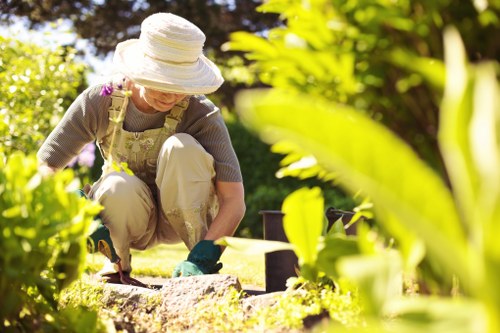
Before planting begins, planning is essential. Flower bed creation in Plumstead should always start with a clear understanding of the available space. Measure the area carefully, observe how sunlight moves across it, and note any drainage issues, nearby trees, walls, or overhead shade. These details influence which plants will thrive and how the bed should be shaped. A bed that looks beautiful on paper may struggle if it is placed in the wrong light or soil conditions.
Think about the purpose of the bed as well. Is it meant to improve the front garden, line a driveway, edge a lawn, or create a feature in the back garden? The answer will affect the design. Flower bed creation in Plumstead often works best when the bed has a clear function. For example, a front border may need neat structure and year-round appeal, while a backyard bed can be more relaxed and layered with taller planting.
It helps to sketch a rough layout before you begin. You can mark curved edges for a softer look, straight lines for a formal finish, or a mix of both for balance. Many people find that flower bed creation in Plumstead becomes easier once the main design shape is established. A curved border can make narrow areas feel less rigid, while a rectangular bed can suit contemporary homes with clean lines.
When planning, consider how the bed will be viewed. A bed seen from the house may need taller plants at the back and lower ones at the front. A bed visible from both sides may need a central focal point or a layered design. Good flower bed creation is as much about perspective as it is about planting, and this is especially true in Plumstead gardens where viewing angles often vary between windows, paths, and seating areas.
Soil preparation for strong, healthy flower beds
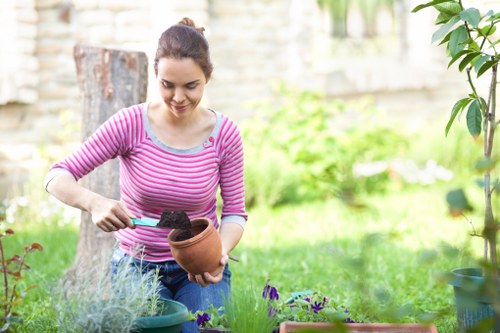
Healthy soil is the foundation of successful flower bed creation in Plumstead. Even the most attractive plant selection will struggle if the soil is compacted, poor in nutrients, or unable to drain correctly. Before planting, it is worth testing the soil structure by digging a small section and checking for clumps, stones, and moisture levels. In many urban and suburban gardens, soil improvement is one of the most important early steps.
Start by clearing the area of weeds, grass, roots, rubble, and debris. Then loosen the soil to improve aeration and drainage. Adding organic matter such as compost, well-rotted manure, or garden soil improver helps create a richer growing environment. For many flower bed creation projects in Plumstead, this step makes a noticeable difference in plant health and flowering performance.
If the soil is heavy clay, drainage may need extra attention. Raised beds, added grit, or improved shaping can help prevent waterlogging. If the soil is sandy or dry, organic matter will help it retain moisture more effectively. Matching soil preparation to the conditions of the site is one of the smartest ways to support long-lasting flower bed creation in Plumstead.
It is also useful to think about pH, especially if you want to grow a wider mix of plants. Some plants prefer more acidic soil, while others tolerate alkaline conditions better. Although not every gardener tests pH, it can be helpful when planning flower bed creation in Plumstead for specialist plants or more ambitious displays.
Choosing the right plants for Plumstead flower beds
Plant selection is where flower bed creation in Plumstead becomes truly personal. The best beds combine reliable structure, seasonal variety, and plants suited to the local environment. Rather than choosing flowers only for appearance, it is wise to think about height, spread, flowering time, maintenance needs, and sun exposure. This makes the bed both attractive and manageable.
For sunny positions, plants such as lavender, salvia, echinacea, rudbeckia, and ornamental grasses can provide texture and colour with relatively low upkeep. In partial shade, hostas, heucheras, astilbes, and hardy geraniums often perform well. Flower bed creation in Plumstead often benefits from mixing perennials with annuals and bulbs so that the bed remains interesting throughout the year.
Evergreen shrubs can also play an important role. They provide structure in winter and help anchor the design. Small shrubs, clipped topiary, or compact evergreens can make flower bed creation in Plumstead look tidy and intentional even when the flowering plants are not at their peak. This is especially valuable in front gardens where all-year appeal matters.
Popular planting combinations for visual impact
Some combinations work particularly well because they balance colour, form, and seasonality. When planning flower bed creation in Plumstead, try to combine plants that complement one another rather than compete. For example:
- Lavender, catmint, and roses for a soft, fragrant display
- Hydrangeas, ferns, and heucheras for shade-friendly texture
- Salvia, verbena, and grasses for a modern, airy style
- Tulips, alliums, and summer perennials for layered seasonal interest
A successful bed usually includes more than one type of plant. This allows the bed to evolve through the year and reduces the risk of a single planting style looking bare once one season ends.
Design principles that improve flower bed creation in Plumstead
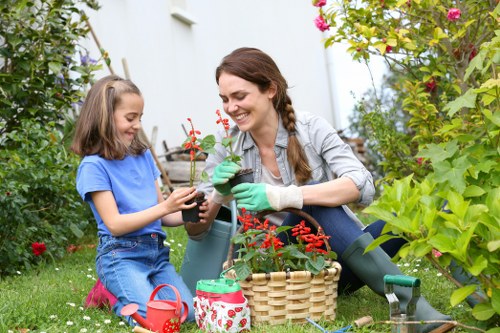
Good design turns planting into a landscape feature. Flower bed creation in Plumstead is most effective when it follows a few simple design principles. First, create depth by placing taller plants toward the back or centre and shorter plants toward the front. This ensures every plant can be seen and helps the bed feel layered rather than crowded. Second, repeat key plants or colours to create a sense of rhythm and unity.
Third, think in groups rather than individual plants. Planting in clusters usually looks more natural and visually stronger than scattering isolated specimens. This works especially well in medium to large flower bed creation projects in Plumstead, where repetition can guide the eye and create balance. A repeated colour, leaf shape, or height pattern can make the whole bed feel intentional.
Another useful principle is contrast. Combining fine and bold textures, upright and arching shapes, or cool and warm colours adds energy to the design. However, too much contrast can feel chaotic. The best flower bed creation in Plumstead usually achieves balance by mixing variety with restraint. This helps the garden feel lively without becoming visually overloaded.
Finally, remember that negative space matters. A bed that is packed too tightly can become hard to maintain and may not allow plants enough room to mature. Leaving breathing space around each plant supports healthier growth and a cleaner design. Well-spaced flower bed creation in Plumstead often looks better over time than an overcrowded bed that seems impressive on day one.
Edging, borders, and finishing touches
Edging is a small detail that makes a big difference. A crisp edge helps define the flower bed and separates it from the lawn, path, or paving. For flower bed creation in Plumstead, edging can be made from brick, stone, metal, timber, or simply a cleanly cut soil line. The choice depends on the style of the garden and the level of maintenance you are comfortable with.
Brick or stone edging creates a more permanent and structured finish, while flexible steel edging works well for modern layouts. A natural cut edge is simpler and can look very elegant in informal settings, though it does need regular upkeep. Whichever method you choose, tidy borders help the flower bed creation look polished and professional.
Finishing touches can include decorative mulch, stepping stones, small feature pots, or subtle lighting. Mulch is especially useful because it helps suppress weeds, retain moisture, and give the bed a neat appearance. Many flower bed creation projects in Plumstead benefit from bark, composted mulch, or gravel, depending on the plants and style of the garden.
Why mulch matters
- It reduces weed growth
- It helps soil retain moisture
- It protects roots from temperature changes
- It gives the bed a more unified appearance
These finishing details may seem minor, but they often define how complete a flower bed feels. In many Plumstead gardens, they are the difference between a bed that looks newly planted and one that looks fully designed.
Seasonal maintenance for flower bed creation in Plumstead
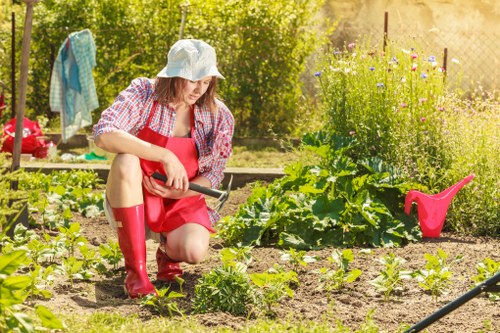
Every flower bed needs ongoing care, and flower bed creation in Plumstead is no exception. The best beds are designed with maintenance in mind, so the work remains manageable rather than overwhelming. Regular weeding, watering, deadheading, pruning, and mulching help keep the plants healthy and the bed attractive. A maintenance routine does not have to be complicated, but it should be consistent.
Spring is often the time for refreshment. Old growth can be cleared, soil can be topped up, and new plants or bulbs can be added. Summer maintenance usually involves watering during dry spells, cutting back faded blooms, and checking for pests. In autumn, many gardeners like to tidy the bed lightly while leaving some seed heads for structure and wildlife. In winter, the focus shifts to protecting vulnerable plants and maintaining shape.
Flower bed creation in Plumstead should also account for growth over time. Plants may spread more quickly than expected, and some may need dividing or repositioning after a few years. Regular observation helps you stay ahead of problems. A bed that is monitored seasonally will usually stay in better shape than one that is only revisited once a year.
Consistency is the secret to attractive, low-stress flower bed creation in Plumstead. Small, regular tasks prevent larger problems and keep the garden looking cared for throughout the year. If time is limited, choose hardy plants and a simple layout so maintenance stays manageable.
Common mistakes to avoid when creating flower beds
Even with good intentions, some common mistakes can affect the success of flower bed creation in Plumstead. One of the biggest is choosing plants without considering mature size. A bed can look empty initially, then become overcrowded after one or two growing seasons. Another issue is mixing too many colours or plant types without a clear design theme. This can make the bed appear busy rather than beautiful.
Overlooking soil preparation is another frequent problem. If the foundation is poor, plants may struggle no matter how attractive they are. Similarly, placing sun-loving plants in shade, or shade-loving plants in direct sun, often leads to disappointment. Successful flower bed creation in Plumstead depends on matching the design to the site instead of forcing the site to suit the design.
Neglecting maintenance can also undo good work. Weeds, dead leaves, and untidy edges quickly reduce the impact of a newly created bed. The solution is not necessarily more effort, but smarter planning. Choosing lower-maintenance plants, using mulch, and designing with access in mind all help keep flower bed creation in Plumstead practical for the long term.
Simple ways to avoid these problems
- Choose plants based on light, soil, and growth habit
- Leave room for plants to mature naturally
- Use a limited colour palette for a cohesive look
- Improve the soil before planting begins
- Set up a manageable maintenance routine
By avoiding these mistakes early, you improve the chances that your flower bed will remain healthy, attractive, and easy to manage.
Creating flower beds for different garden styles in Plumstead
One of the strengths of flower bed creation in Plumstead is its versatility. Different homes and gardens call for different approaches. A period property may suit soft, cottage-style planting with roses, foxgloves, delphiniums, and seasonal bulbs. A modern home may look better with structured borders, ornamental grasses, and a limited colour palette. A family garden may need durable plants that can cope with activity while still providing visual interest.
Small gardens often benefit from vertical layering and lighter planting schemes. In these spaces, flower bed creation in Plumstead should aim to avoid clutter. Using a few strong plants with clean edging can make the garden feel larger. Larger gardens can support wider borders, repeated plant groups, or even multiple beds with different themes. This flexibility means there is plenty of room to be creative without losing practicality.
Front gardens deserve special attention because they influence first impressions. Flower bed creation in Plumstead at the front of a property should usually focus on neatness, structure, and year-round appeal. By contrast, back gardens can be more expressive and relaxed, with more room for experimentation. In both cases, the best results come from making the bed feel like part of the wider landscape rather than an isolated feature.
A well-designed bed should suit both the property and the people who use it. The more closely flower bed creation in Plumstead reflects your lifestyle, the more satisfying it will be over time.
Why professional support can make a difference
While many homeowners enjoy creating their own planting schemes, professional support can make flower bed creation in Plumstead faster, smoother, and more successful. Experienced landscape and gardening specialists can assess your site, recommend plants suited to the conditions, prepare the ground properly, and create a bed that balances beauty with maintenance needs. This can be particularly helpful if your garden has difficult soil, awkward dimensions, or heavy shade.
Professional input is also useful when the project needs to be completed efficiently or integrated with existing landscaping. If you want your flower bed creation in Plumstead to connect with paving, fencing, lawns, or other garden features, a trained eye can help ensure everything works together. The result is often a more harmonious garden with stronger visual flow.
Whether you plan to do the work yourself or seek expert help, the main goal remains the same: to create a flower bed that is attractive, functional, and suited to life in Plumstead. Thoughtful planning, good soil, and the right plant choices will always make a difference.
Conclusion: bringing lasting beauty to your garden
Flower bed creation in Plumstead is a rewarding way to upgrade your outdoor space and enjoy a more vibrant garden throughout the year. With careful planning, the right soil preparation, and well-chosen plants, you can create beds that add colour, structure, and wildlife value while remaining manageable in the long term. The process works equally well for small front borders, layered back garden displays, and more ambitious landscaped areas.
When you approach flower bed creation in Plumstead with a clear design, practical maintenance plan, and attention to local growing conditions, you give your garden the best chance to thrive. The result is not just a more attractive space, but a garden that feels complete, welcoming, and easy to enjoy.
If you are ready to refresh your outdoor space, contact us today to discuss your flower bed creation needs in Plumstead. Book your service now and take the first step toward a garden that looks beautiful in every season.

